
Debunking common gambling myths What you need to know
Debunking common gambling myths What you need to know
The Illusion of Control
One of the most pervasive myths in gambling is the belief that players can control the outcome of games through skill or strategy. Many gamblers mistakenly think that they can influence the odds in their favor, especially in games like poker or blackjack. While skill does play a role, it is essential to recognize that games like slots and roulette are fundamentally based on chance. Additionally, players looking for reliable information on top casino sites can enhance their understanding of how these games work.

The reality is that every game in a casino is designed to give the house an edge. This means that, regardless of the player’s skill, the odds will always favor the casino over time. Understanding this principle is crucial for anyone looking to engage in gambling responsibly. It encourages a mindset focused on entertainment rather than profit.
Hot and Cold Streaks
Another common myth is the concept of hot and cold streaks in gambling. Many players believe that if a machine has not paid out recently, it is “due” for a win. Conversely, others might think that a machine that has just paid out is on a “hot” streak and should be avoided. This belief is rooted in a misunderstanding of how random number generators work.
In reality, each spin or hand is independent of the previous one, meaning past results do not influence future outcomes. This myth can lead players to make poor decisions based on emotions rather than logic, ultimately impacting their gambling experience and finances.
The Gambler’s Fallacy
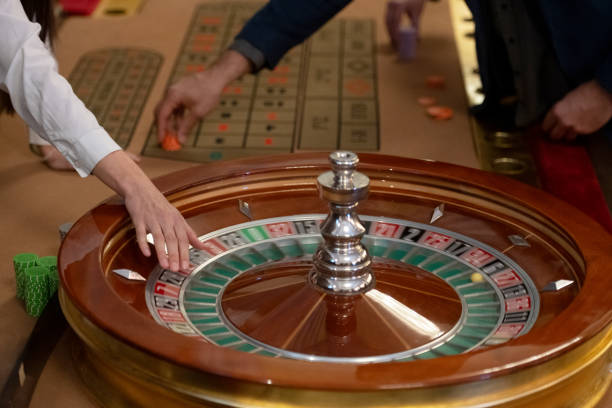
The gambler’s fallacy is a cognitive bias that leads players to believe that past events affect the probability of future outcomes. For example, if a roulette wheel has landed on red several times in a row, a player might believe that black is more likely to appear next. This fallacy can be detrimental to a player’s strategy, often causing them to make irrational bets.
Understanding that each round is independent is vital for anyone involved in gambling. The odds remain constant regardless of previous results, which helps to mitigate the influence of this fallacy. By recognizing this bias, players can approach gambling with a clearer mindset and make more informed decisions.
Chasing Losses
Chasing losses is a behavior where players attempt to recover their lost money by increasing their bets or changing their strategies. This can lead to a dangerous cycle of increased gambling, often resulting in even greater losses. The belief that one can turn their luck around by simply doubling down can be misleading and harmful.
It is essential to approach gambling with a predetermined budget and to know when to walk away. Accepting losses as part of the experience can lead to a healthier gambling mindset, focusing on enjoyment rather than desperation to win back money. This awareness is crucial for maintaining control over one’s gambling habits.
Conclusion: A Safe Gambling Environment
In the digital age, understanding the realities of gambling can enhance the overall experience while promoting responsible play. The website serves as a secure platform for users, ensuring their safety while engaging in online gambling activities. By debunking these common myths, players can make informed decisions and enjoy their time responsibly.
For anyone looking to maximize their winnings, knowledge is power. Recognizing the truth behind gambling myths can lead to a more fulfilling and secure gambling experience. Embrace the fun of the game without falling into the traps of common misconceptions.

Comments
No comment yet.